

The Transformative Power of Natural Oils for Skin: Benefits of Natural Beauty Oils

In the pursuit of radiant, healthy skin, the use of natural oils has garnered significant attention. These oils, derived from plants and seeds, offer a wealth of benefits that synthetic products often cannot match. Their rich composition of vitamins, antioxidants, and essential fatty acids makes them indispensable in skincare routines aimed at nourishment, hydration, and protection. This article explores the multifaceted advantages of incorporating natural oils for skin care, providing detailed insights and practical guidance for those seeking premium, all-natural solutions.
The Role of Natural Oils for Skin Health and Vitality
Natural oils for skin serve as potent emollients and moisturizers, capable of penetrating deeply to restore and maintain the skin’s barrier function. Unlike many commercial creams laden with chemicals, these oils provide a gentle yet effective means of hydration without clogging pores or causing irritation. For example, jojoba oil closely mimics the skin’s own sebum, making it an excellent choice for balancing oil production and preventing acne.
Moreover, natural oils are rich in antioxidants such as vitamin E and polyphenols, which combat oxidative stress caused by environmental aggressors like pollution and UV radiation. This antioxidant capacity helps to slow the visible signs of aging, including fine lines and wrinkles, by protecting collagen and elastin fibers within the skin.
In practical terms, incorporating natural oils into a daily skincare regimen can be as simple as applying a few drops after cleansing and toning. Their lightweight texture allows for easy absorption, leaving the skin feeling supple and nourished without a greasy residue.
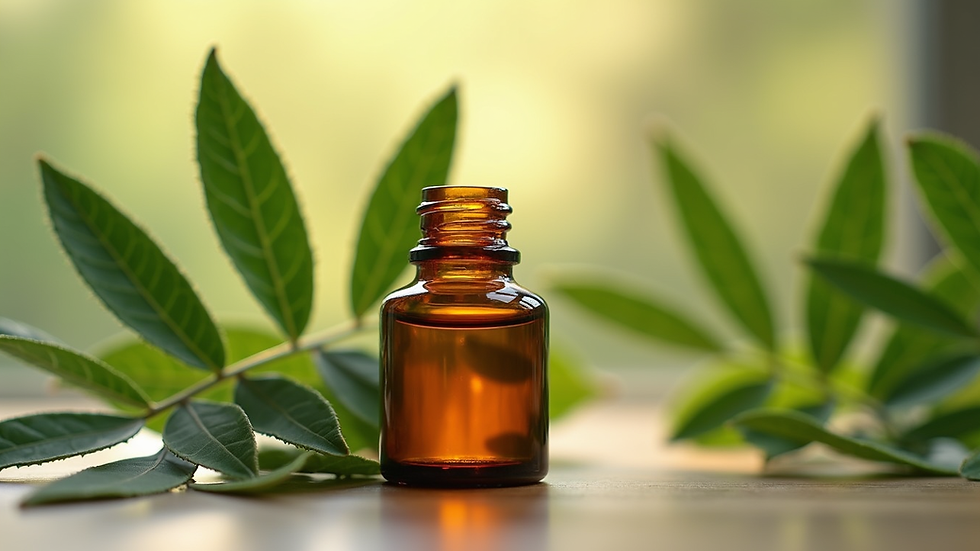
Natural oils provide deep hydration and antioxidant protection for the skin.
Key Benefits of Using Natural Beauty Oils in Skincare
The advantages of natural beauty oils extend beyond mere moisturization. Their complex biochemical profiles offer a range of therapeutic effects that enhance skin health holistically:
Enhanced Hydration and Barrier Repair: Oils such as argan and rosehip contain essential fatty acids that reinforce the skin’s lipid barrier, reducing transepidermal water loss and improving moisture retention.
Anti-inflammatory Properties: Many natural oils, including chamomile and calendula, possess anti-inflammatory compounds that soothe redness, irritation, and sensitivity.
Improved Skin Texture and Tone: Regular use of oils like marula and evening primrose can promote cell regeneration, leading to smoother, more even-toned skin.
Protection Against Environmental Damage: The antioxidant content in oils such as pomegranate seed and sea buckthorn helps neutralize free radicals, thereby protecting skin from premature aging.
Versatility for Different Skin Types: Whether the skin is oily, dry, or combination, there is a natural oil suited to its specific needs, making these oils highly adaptable.
It is worth noting that the choice of oil should be tailored to individual skin concerns and preferences. For instance, those with dry skin may benefit from richer oils like avocado or coconut, while individuals with oily or acne-prone skin might prefer lighter options such as grapeseed or hemp seed oil.
What is the Best Face Oil for Rosacea?
Rosacea, characterized by persistent redness and inflammation, requires careful selection of skincare products to avoid exacerbating symptoms. When considering face oils for rosacea, it is essential to choose those with calming, anti-inflammatory properties and minimal potential for irritation.
Among the most recommended oils for rosacea are:
Squalane Oil: Derived from olives or sugarcane, squalane is lightweight, non-comedogenic, and highly moisturizing without clogging pores. Its anti-inflammatory effects help reduce redness and soothe sensitive skin.
Evening Primrose Oil: Rich in gamma-linolenic acid (GLA), this oil supports skin barrier repair and reduces inflammation, making it beneficial for rosacea-prone skin.
Chamomile Oil: Known for its calming properties, chamomile oil can alleviate irritation and redness associated with rosacea.
Rosehip Seed Oil: This oil promotes skin regeneration and contains anti-inflammatory compounds, aiding in the reduction of rosacea flare-ups.
It is advisable to perform a patch test before fully integrating any oil into a rosacea skincare routine. Consulting with a dermatologist can also provide personalized recommendations based on the severity and type of rosacea.

Chamomile oil is known for its soothing and anti-inflammatory effects on sensitive skin.
How to Incorporate Natural Oils into Your Daily Routine
Integrating natural oils into a skincare regimen requires understanding the appropriate timing and method of application to maximize benefits. Here are some practical steps:
Cleansing: Begin with a gentle cleanser to remove impurities without stripping natural oils.
Toning: Apply a toner suited to your skin type to balance pH levels.
Oil Application: Dispense 2-3 drops of your chosen natural oil onto clean fingertips. Gently press and massage the oil into the skin, focusing on dry or problem areas.
Moisturizing: If desired, follow with a moisturizer to lock in hydration.
Sun Protection: During the day, always apply a broad-spectrum sunscreen after oil and moisturizer to protect against UV damage.
For hair and nails, natural oils can be used as treatments to nourish and strengthen. For example, coconut oil applied to hair ends can prevent split ends, while almond oil massaged into cuticles promotes healthy nail growth.
It is important to store oils in dark glass containers away from heat and light to preserve their efficacy. Additionally, selecting oils that are cold-pressed and organic ensures the highest quality and potency.
Ethical and Sustainable Sourcing of Natural Beauty Oils
The growing demand for natural beauty oils has underscored the importance of ethical and sustainable sourcing practices. Responsible producers prioritize:
Organic Cultivation: Avoiding pesticides and synthetic fertilizers to protect ecosystems and ensure purity.
Fair Trade Practices: Supporting local communities by providing fair wages and safe working conditions.
Sustainable Harvesting: Ensuring that plant resources are not depleted, maintaining biodiversity.
Minimal Processing: Using cold-press extraction methods to retain the oils’ natural properties without chemical alteration.
Consumers are encouraged to seek transparency from suppliers regarding the origin and production methods of their oils. This not only guarantees product quality but also aligns with environmentally conscious values.
Embracing the Benefits of a Natural Beauty Oil
Incorporating a natural beauty oil into one’s skincare routine represents a commitment to nurturing the skin with pure, effective ingredients. These oils offer a harmonious blend of hydration, protection, and therapeutic benefits that synthetic alternatives often lack. By selecting oils tailored to individual skin needs and applying them mindfully, one can achieve a luminous complexion and enhanced skin resilience.
The journey toward healthier skin is enriched by the knowledge and appreciation of these natural elixirs. Their versatility, combined with ethical sourcing and careful application, makes natural oils an indispensable component of modern skincare.
Expanding Horizons with Premium Natural Oils
As the appreciation for natural oils continues to grow, so too does the opportunity to explore diverse formulations and combinations that address specific skin concerns. Whether used alone or blended with other botanical extracts, these oils provide a foundation for personalized skincare solutions.
For those seeking to elevate their beauty regimen, investing in high-quality, ethically sourced natural oils is a prudent choice. Such products not only enhance skin health but also contribute to a sustainable and conscientious approach to beauty.
In conclusion, the benefits of natural oils for skin are profound and multifaceted. Their ability to hydrate, protect, and rejuvenate the skin, coupled with their ethical production, positions them as essential allies in the quest for natural beauty and wellness.


Comments